When a car hits your driveway bumpers-first, or a hailstorm shreds a roof, the last thing you want is a claims process that feels like a second disaster. A trusted insurance agency near me can turn a chaotic, paperwork-heavy experience into something predictable and manageable. I have worked with agencies and clients through dozens of claims, and the difference between an agency that helps you and one that frustrates you is not marketing. It is relationships, systems, and choices made long before the accident.
Why this matters Insurance exists to restore, not to punish. Speed and clarity in claims processing reduce stress, preserve value, and affect real costs: rental car bills, contractor price changes, and the time you lose from work. Agencies that anticipate common frictions create frictionless pathways for their clients. That matters when every day counts.
How a local agency changes the dynamic An "insurance agency near me" is more than a convenience search result. Local agents bring three practical advantages: proximity for face-to-face meetings when needed, knowledge of local repair shops and adjusters, and accountability through a community presence. In Hammond or elsewhere, a local State Farm agent or independent broker who knows local ordinances and contractor markets shortens decision cycles. For example, after a 2019 storm that hit parts of the Midwest, policyholders who worked with agents who had established emergency response plans received inspection visits in 48 to 72 hours, while others waited a week or more.

What "trusted" actually looks like Trust shows up as predictable behavior. A trusted agency answers questions rather than dodging them, outlines realistic timelines, and documents promises. They have a repeatable playbook for handling common losses. They also explain trade-offs: using a recommended repair shop may get faster service and a warranty on repairs, while choosing your own shop could cost time or require additional inspections. Trustworthy agents document those trade-offs so you can decide.
Key components that streamline claims processing
Clear intake procedures. When you call after a loss, the first five minutes determine a lot. Good agencies use a concise intake script that captures policy number, policyholder contact, loss details, photographs, and any immediate needs like temporary housing or car rental. Agents trained to run this checklist avoid the repeated calls and lost information that slow claims.
Proactive documentation. Agencies that ask for photographs, videos, and any available receipts up front reduce the back-and-forth with the insurer. A single email or upload that contains timestamped images and a short narrative often eliminates multiple follow-ups. I recommend taking wide-angle shots that show whole context, as well as close-ups of damage and any identifying marks.
Direct adjuster coordination. A local agent who maintains working relationships with claim adjusters and preferred repair shops speeds approvals. Rather than waiting for an adjuster to call, some agents set an expectation: we will contact the adjuster within 24 hours and confirm the inspection appointment. That step cuts a common delay.

Fast temporary solutions. An agency that arranges immediate, temporary solutions such as Insurance agency hammond a hotel, car rental, or emergency board-up service lessens downstream expense creep. Those expenses are often covered under your policy and not knowing how to access them is a common source of additional out-of-pocket cost.
How agencies reduce common frictions with examples Consider a client who filed a car insurance claim after a rear-end collision. The agency agent logged the claim, took photos, and sent an email summarizing the damage and the policyholder's immediate needs. Because the agent had a close relationship with a local State Farm agent and a preferred auto body shop, the adjuster was on site the next morning, the shop received direct authorization to start repairs after a preliminary estimate, and the policyholder had a rental car the same day. The claim closed in under two weeks. Contrast that with a caller who did not work through an agency; they waited six days for an adjuster and spent three extra days without a car.
Trade-offs: speed versus autonomy Speed often requires centralizing some decisions. If your agency recommends a preferred repair shop to expedite payments and warranties, you may surrender a degree of control over vendor selection. In many cases customers value speed and the implied quality checks. When autonomy is more important, a good agent will explain the consequences: expect a longer claim timeline, possible duplicate inspections, and the need for additional documentation if you choose your own service providers.
What to expect from different types of agencies State Farm agent models vary from small independent offices to larger multi-agent agencies. An established State Farm agent who is active in their community will typically have fast access to company adjusters and program-level resources, such as quick estimates and auto rental partnerships. Independent agencies often represent multiple insurers, which gives them flexibility to quote different coverages or move a client to a carrier that better fits a specific risk. Both models can be highly competent; the difference lies in relationships and operational practices.
Concrete steps a trusted agency will take when you file a claim
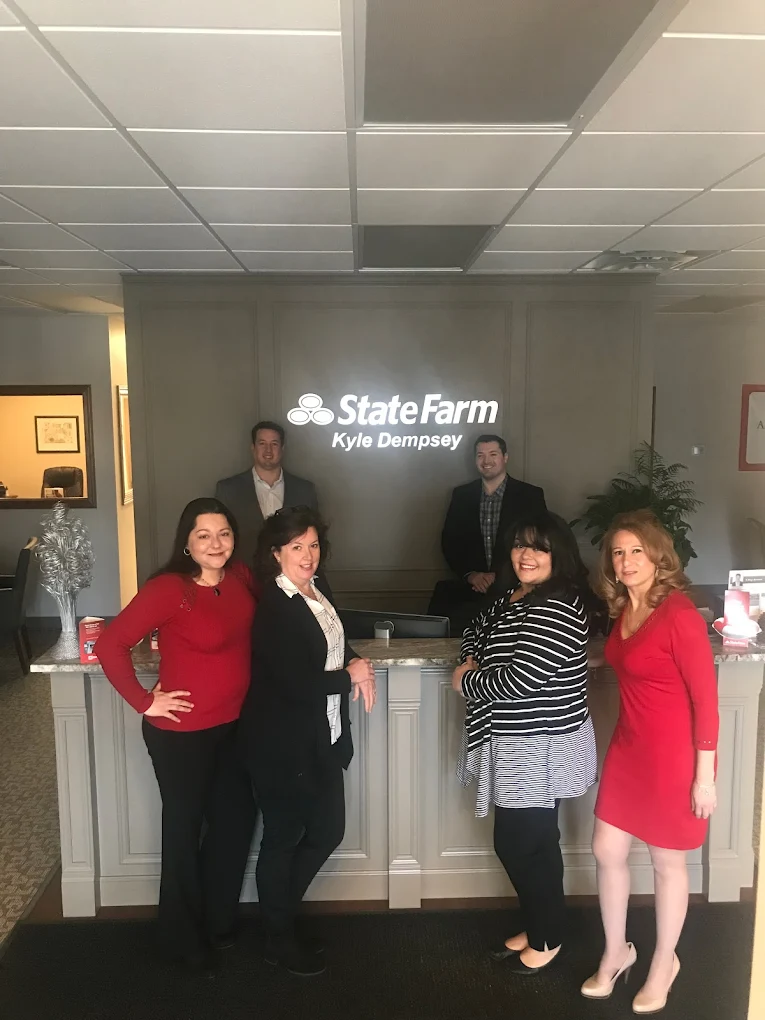
- Confirm coverage and explain initial out-of-pocket expectations, such as deductibles and how they apply to property or car insurance claims. Collect timestamped photos, a narrative of the event, and contact information for witnesses or other involved parties. Coordinate with the insurer to schedule an adjuster inspection within a specified window, or arrange for an independent estimate when appropriate. Facilitate immediate needs like a rental car or temporary housing if covered, and follow up with invoices so the insurer honors interim payments.
A short checklist of documents and actions to prepare before you call your agent
- policy number, current contact information, and vehicle or property details photos or video of the damage with timestamps if possible police report number or incident report, if one exists receipts for recent repairs or upgrades related to the loss These items do not guarantee an instant resolution, but they compress the timeline and reduce friction between you, the agent, and the insurer.
Why communication cadence matters An often-overlooked part of claims service is cadence. People become anxious when they do not know what happens next. Trusted agencies set expectations: we will call you within 24 hours, the adjuster will inspect within 48 to 72 hours, and we will provide a repair authorization or settlement estimate within a week. Even when delays occur, a single status update calms clients and prevents repeated calls that clog the system. I have watched a small agency reduce inbound calls by nearly 40 percent simply by instituting a status email on day two and day seven of every open claim.
Technology with human oversight Technology speeds claims when it is applied thoughtfully. Mobile apps that allow photo uploads, claim tracking, and direct messaging save time. But technology without guidance can create confusion. For instance, an app may reject a photograph for lighting or angle reasons. A local agent who reviews uploads and provides immediate feedback saves clients the time of redoing documentation. If you are using a carrier app like the one affiliated with State Farm insurance, pairing it with an agent you can call produces the best outcomes.
Handling disagreements and appeals Sometimes the insurer's initial estimate will not match what a contractor or policyholder believes is necessary. A trusted agent acts as an advocate without being combative. They collect supplemental estimates, explain coverage language, and, when justified, present a consolidated request for reinspection. That process can take weeks. Realistic timelines and a strong paper trail help. If an agency has experience with claim arbitration or appraisal processes, they can map those paths for you and explain likely outcomes.
Cost control and preventing overpayments A well-run agency also protects policyholders from unnecessary expenses. They check that labor rates and part prices in repair estimates are reasonable for the market and challenge inflated invoices when necessary. Agencies that maintain relationships with reputable vendors know where price creep occurs. They will sometimes negotiate a better rate or present alternate estimates that keep your out-of-pocket costs down.
When an agency cannot help: the limits of local influence Even the best agency has bounds. They cannot unilaterally change policy language, waive deductibles, or force another driver’s insurer to accept liability. They cannot make an insurer approve a repair that the policy does not cover. A professional agent will be transparent about those limits and will advise whether pursuing an appeal, hiring independent appraisers, or seeking legal counsel is worth the expected benefit.
Choosing an agency with claims performance in mind Look beyond glossy websites. Ask prospective agencies specific questions: how quickly do you schedule adjuster inspections after a loss, do you offer direct billing for temporary services, can you provide references from recent claimants, and what percentage of claims do you handle to closure without requiring additional escalation. If you are in Hammond and searching for an "insurance agency hammond" or a local "State Farm agent," visit the office, request sample timelines, and ask how they coordinate with repair shops and adjusters.
A note on State Farm quotes and carrier-specific features If you are shopping for a State Farm quote, understand what that carrier offers locally. Some State Farm agents have more resources than others. A State Farm insurance policy may include guaranteed auto repairs at select shops, a streamlined subrogation process that reduces your deductible in some third-party claims, or expedited appraisals for glass repair. Ask the agent to explain these features and how they apply to car insurance claims specifically.
Real-world metrics that matter Here are a few measurable indicators of an agency that handles claims well: average time from claim report to adjuster inspection, percentage of claims with rental car arranged within 24 hours, and percentage of claims closed within 30 days for common auto losses. While I cannot give universal numbers that apply to every market, when an agency reports adjuster inspections within 48 to 72 hours and claims closure for routine collisions within two to three weeks, that indicates an efficient process.
Red flags to watch for Be wary of agencies that cannot give straight answers about timelines, that promise outcomes they cannot document, or that lack a clear process for emergency response. Also be careful with agencies that refuse to list repair shop partners or who discourage you from getting a second estimate. Those behaviors often signal a lack of systems rather than a protective strategy.
A final practical scenario A homeowner calls their local agent in Hammond after a pipe burst. The agent verifies the policy, gathers photos, and immediately authorizes an emergency water mitigation contractor to stop the damage and to prevent mold. The agency files the claim and schedules an adjuster to inspect within 48 hours. Meanwhile, the agent coordinates with a preferred contractor to stabilize the home and submits estimates to the insurer. Because the agency documented everything and used preferred vendors who guarantee their work, the insurer released partial emergency payments quickly, the mitigation contractor completed work under warranty, and the homeowner avoided additional structural damage that would have increased the overall claim cost. The difference between this outcome and one where mitigation was delayed is often thousands of dollars and weeks of disruption.
Choosing an insurance agency near me with claims in mind pays off An agency that prioritizes claims processing saves money, time, and stress. When you search "Insurance agency near me," evaluate agencies by their claims playbook, relationships with local vendors and adjusters, and transparency about timelines and trade-offs. If you are considering a State Farm agent or seeking a State Farm quote, ask about local claims practices and how the agent will support you through the entire process. Car insurance and homeowner policies are contracts, but the experience of filing a claim is a human process. Choose an agency that treats it that way.